Introduction
In today's busy entrepreneurial landscape, the need for effective education that translates into real-world success is more vital than ever. The obstacle lies not simply in imparting theoretical knowledge, however in promoting a frame of mind that encourages grit, versatility, business innovation expert Tucson and chance recognition amongst students. This short article explores useful strategies for launching endeavors that result in concrete learning results. By concentrating on tested approaches and sharing insights from award-winning teachers, we intend to bridge the gap between theory and practice. So, buckle up as we delve into Launching Ventures: Proven Strategies for Real-World Knowing Outcomes!
What Sets Excellent Entrepreneurship Professors Apart: The Science and Soul Behind Teaching Mindset
The Function of Mindset in Entrepreneurship Education
Entrepreneurship is as much about attitude as it is about understanding. Excellent professors comprehend that promoting a development mindset can be transformative. But what does it indicate to have a growth mindset? It's the belief that abilities and intelligence can be developed through devotion and difficult work.
Key Elements of Reliable Teaching
Empathy and Connection
Professors who really appreciate their trainees produce an environment where students feel safe to experiment and fail.
Real-World Examples
By incorporating case research studies from successful entrepreneurs, educators can highlight complex concepts in relatable contexts.
Active Learning Techniques
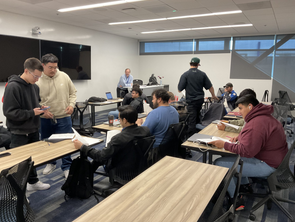
The Science of Teaching Mindset
Research shows that mentor methods considerably influence student outcomes. Educators who utilize interactive strategies-- like simulations or group jobs-- tend to see greater engagement levels.
Bridging Theory with Practice
The finest entrepreneurship teachers blend theoretical structures with useful applications. This balance makes sure that students not just learn concepts but likewise know how to use them effectively in real-world scenarios.
How to Teach Grit, Adaptability, and Opportunity Recognition-- And Really Make It Stick
Defining Grit in Entrepreneurial Contexts
Grit is the perseverance and enthusiasm for long-lasting goals. In an entrepreneurial context, it's important for browsing challenges.
Strategies for Teaching Grit
- Encourage Risk-Taking: Develop a classroom culture where taking threats is celebrated, not penalized. Set Challenging Objectives: Assist students set enthusiastic yet achievable goals. Provide Useful Feedback: Focus on effort rather than result to encourage persistence.
Cultivating Adaptability
In an ever-changing service landscape, flexibility is essential. Here's how you can embed versatility into your curriculum:
Scenario-Based Learning
Present trainees with real-life organization dilemmas that need quick thinking and adaptation.
Guest Speakers:
Welcome business owners who have actually browsed change successfully to share their experiences.
Flexible Projects:
Allow students to pick project subjects based upon present trends or their interests.
Recognizing Opportunities
Opportunity recognition is a necessary ability for any entrepreneur. To teach this successfully:
- Use conceptualizing sessions to help students identify gaps in the market. Incorporate design believing method into your curriculum. Encourage field trips to regional organizations where trainees can observe operations firsthand.
Real-World Learning, Real Results: Class Techniques That Introduce Ventures and Modification Lives
Experiential Learning at Its Core
One of the most effective methods to make sure real-world learning results is through experiential knowing-- an approach grounded in experience rather than rote memorization.
Implementing Project-Based Learning (PBL)
PBL permits students to take on genuine problems over extended periods while developing abilities such as partnership, communication, and important thinking.
Identify an Issue: Start with a real-world problem relevant to regional communities or industries. Research Stage: Trainees carry out comprehensive research study before proposing solutions. Presentation of Solutions: Have trainees provide their findings to stakeholders or community members for feedback.Case Research studies That Inspire Action
Utilizing case studies from effective endeavors can inspire trainees by showing them what's possible when theories meet practice.
Examples of Effective Case Studies
|Case Study|Key Takeaway|| ------------------------|-----------------------------|| Starbucks' Growth|Significance of Brand Name Consistency|| Airbnb's Growth|Leveraging Neighborhood Trust|| Tesla's Development|Interruption Through Innovation|
From Theory to Practice: Using Failure, Feedback, and Reflection to Construct Entrepreneurial Thinkers
Embracing Failure as a Learning Tool
Failure frequently brings a preconception; however, it's important in entrepreneurship education. Understanding how to gain from failure can build durability amongst striving entrepreneurs.
How Educators Can Facilitate This Process
Implement "failure laboratories" where students are encouraged to experiment without fear. Create reflective journals where they document lessons learned after setbacks. Organize panel discussions featuring entrepreneurs who overcame substantial failures before accomplishing success.The Power of Feedback
Feedback must be positive and focused on development instead of criticism:
- Encourage peer reviews within group projects. Regularly schedule one-on-one check-ins with each student.
Reflection as a Continuous Process
Reflection permits trainees to internalize their experiences:
Post-project debriefs are important-- discuss what worked out versus what didn't. Use tools like SWOT analysis (Strengths, Weaknesses, Opportunities, Threats) after presentations or projects.The Metrics of Mastery: How to Measure Development in State Of Mind, Not Just Grades or Attendance
Rethinking Assessment Strategies
Traditional evaluation techniques frequently stop working to capture the essence of entrepreneurial learning outcomes adequately.
Alternative Evaluation Methods
Portfolio Assessments: Trainees assemble their best work over time reflecting growth. Self-Assessments: Allowing learners to assess their abilities cultivates self-awareness. Peer Evaluations: Encourages partnership while supplying varied viewpoints on performance.Setting Development Benchmarks
Establish clear goals customized toward entrepreneurial mindsets:
- Design metrics around imagination levels exhibited during projects. Track flexibility enhancements through scenario-based evaluations.
Award-Winning Development in Mentor: Case Studies, Trainee Success Stories, and Best-in-Class Outcomes
Showcasing Successful Programs
Highlighting innovative mentor practices can inspire other educators:
Notable Programs Worth Mentioning
Stanford University's d.school-- Focuses on design thinking principles leading entrepreneurial innovation. Babson College-- Renowned for its entrepreneurship programs stressing experiential knowing methodologies. MIT's Martin Trust Center-- Offers resources created specifically for budding business owners participated in startups.Student Success Stories
Real-life reviews function as effective motivators:
"Through my entrepreneurship classes at [University], I launched my startup while still studying-- a dream come to life!" - Jane Doe
FAQs about Launching Ventures: Proven Techniques for Real-World Learning Outcomes
Q1: What are some effective methods to teach adaptability?
A1: Incorporate scenario-based knowing experiences that require fast decision-making under pressure while motivating versatile analyzing different projects customized around existing events or patterns within industries appropriate to student interests.
Q2: How do I determine if my mentor techniques are effective?
A2: Shift your focus from traditional grading systems towards portfolio assessments combined with self-reflections allowing much deeper insights into personal growth instead of exclusively scholastic performance metrics alone improving engagement levels overall!
Q3: Why is failure crucial in entrepreneurship education?
A3: Failure functions as an indispensable instructor; it cultivates strength by permitting people area required when checking out new ideas without worry developing greater chances down the line!
Q4: Can experiential knowing truly effect student success?
A4: Definitely! Experiential knowing immerses individuals straight within real-world contexts resulting enhanced retention rates alongside improved confidence abilities advancement leading future endeavors beyond class settings!
Q5: How do I develop chances for peer-to-peer feedback?
A5: Foster environments conducive towards collaborative dialogue by carrying out structured peer review sessions during project phases cultivating open communication channels facilitating constructive conversations surrounding efficiencies observed throughout collective efforts!
Q6: What role do guest speakers play in enhancing instructional experiences?
A6: Welcoming market leaders uses important insights bridging gaps in between theory/practice exposing students firsthand viewpoints relating to obstacles dealt with triumphs accomplished motivating future pursuits within entrepreneurial courses embarked upon together!
Conclusion
In conclusion, promoting entrepreneurship education requires ingenious teaching methods that combine theory with practice successfully preparing striving business owners for real-world obstacles ahead! By embracing principles like development state of mind development along with experiential knowing opportunities grounded within tangible experiences classroom settings transformed empowering people capable driving change communities worldwide! Execute these tested strategies gone over today permit young minds open possible unleash imagination navigate unknown terrains embark upon journeys full possibilities awaiting discovery waiting expedition future waits for those prepared attempt danger endeavor forth boldly going after dreams turning visions realities forming world around us!